Why is colour an incomplete shortcut?
Rum colour can be affected by time in wood, filtration and colouring choices. These factors mean appearance is not a reliable age statement. WSET's comparison of light and dark rum explains the limitations of judging a bottle by its shade.
Colour remains a useful observation. The mistake is turning it into an answer to a different question, such as how strong the rum is or whether you will enjoy it. Record what you see, then use the label or producer's information for the claims that colour cannot establish.
How should you compare the three descriptions?
| Description | What it tells you | What you still need to ask |
|---|---|---|
| White or clear | Little or no visible colour | Was it aged, filtered or bottled without cask maturation? |
| Gold or amber | A golden appearance | What production and maturation choices shaped it? |
| Dark | A deeper appearance | Is there an age statement, and what explains the colour? |
These are shopping and description terms, not three complete recipes. Do not assume a bottle belongs to a single flavour family because a shelf groups it with similarly coloured rums. For a fuller comparison, read about Caribbean rum styles.
Does darker mean stronger or sweeter?
The alcohol percentage printed on the bottle is the relevant measure of strength. Colour cannot substitute for that number. Sweetness also needs separate consideration: the impression you get when tasting and the producer's declared information are more useful than an assumption based on darkness.
When comparing bottles, keep those questions separate in your notes. Write down the ABV, the appearance and your tasting impressions in different places. That makes it easier to spot when a visual expectation influenced what you thought you would taste.
How can you choose a rum more thoughtfully?
Decide what you want to learn or enjoy. If you want to compare maturation, look for clear information about cask use. If you want to understand raw materials, find that information first. If you are curious about flavour, choose a guided tasting where you can ask questions.
Our aging guide and tasting guide give you more precise starting points. You do not need to dismiss familiar colour terms entirely; just treat them as the first line of a description, rather than the whole description.
How does this help during an Academy session?
Approach each sample with curiosity instead of assuming the darkest will be your favourite. Describe what you notice, then use the available flavour selection and instructor guidance to decide what you want to create. A comparison becomes useful when it helps explain your preference.
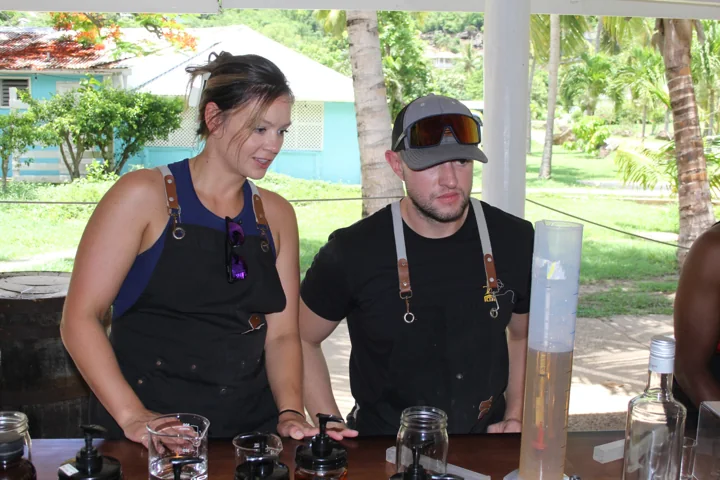
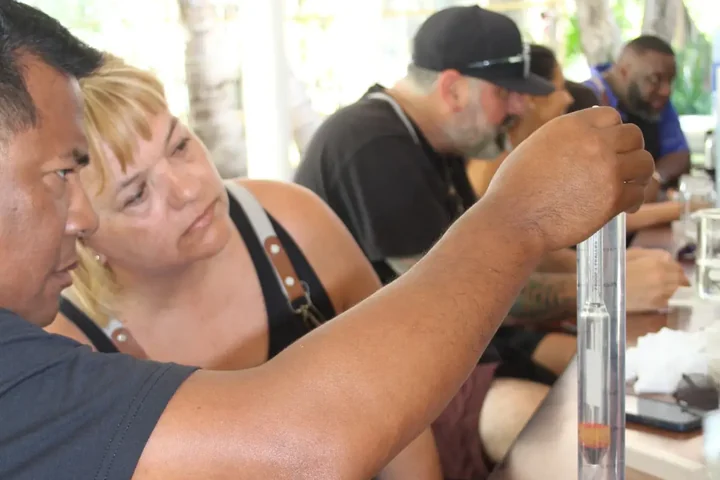
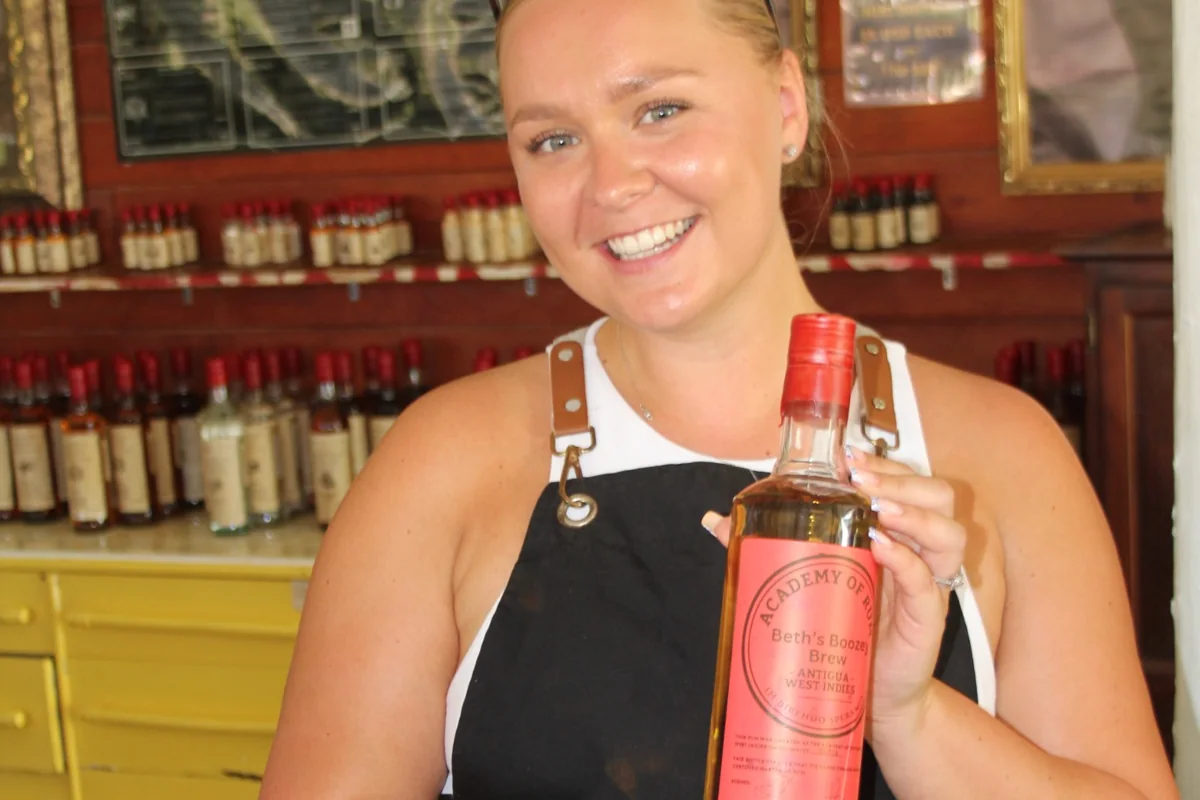
At the Academy's Antigua experience, use the guided tasting to practise separating colour from aroma, taste and strength. Ask about the samples in front of you and write down the flavours you enjoy. You can then carry those observations into the blending and bottling part of the class, where personal preference helps guide your choices.
Published by Academy of Rum Antigua, an interactive rum education and blending experience at Galleon Beach. External references are linked beside the information they support. For current bookings and operational details, use the experience, pricing and visit information pages.
Galleon Beach · Antigua
Experience rum differently.
Taste, learn and create your own rum at our Antigua mini distillery, with guidance from your first flavour choice to your finished bottle.
18+ to drink. Please enjoy responsibly.