What changes during maturation?
A rum's time in a cask creates a relationship between the spirit and its storage conditions. Wood can influence the resulting character, while the blender assesses how the components develop. WIRSPA's aging overview explains the role of maturation and selection in the finished rum.
For a beginner, the most useful question is what the producer tells you about that period. “Aged” is a starting point for an enquiry, not a full explanation. Look for the type of cask, the place of maturation and a clearly described age statement where one is given.
Does a tropical climate change the comparison?
Climate affects maturation, so two spirits stored for the same number of years in different conditions need not develop in the same way. WIRSPA discusses the influence of the Caribbean climate on rum aging. It is better to examine those conditions than apply a universal conversion between tropical and cooler-climate years.
A claim such as “one year here equals several years somewhere else” makes the process sound more exact than a simple comparison can establish. Ask what was matured, where and in which casks. Time is one part of the story, rather than a unit that automatically translates into a particular flavour.
What does a number on the label mean?
Read the wording around it. A number could be an age statement, a name or another part of the brand's presentation. For rums carrying the Authentic Caribbean Rum mark, WIRSPA explains that a stated age refers to the youngest rum in the blend. See its explanation.
Do not apply that specific framework to every label in every market without checking. If an age description is unclear, consult the producer's own information. A useful comparison starts with statements that actually mean the same thing.
Is an older rum always the better choice?
Your preference depends on the finished character and what you want from the glass. An age number alone cannot tell you whether you will enjoy it more. Comparing descriptions, asking about production and tasting thoughtfully gives you more information than choosing the largest number.
Likewise, a dark appearance is not a reliable substitute for a stated age. Our white, gold and dark rum guide explains that distinction. Keep colour, declared age and personal preference separate when taking notes.
Do you age your bottle during an Academy class?
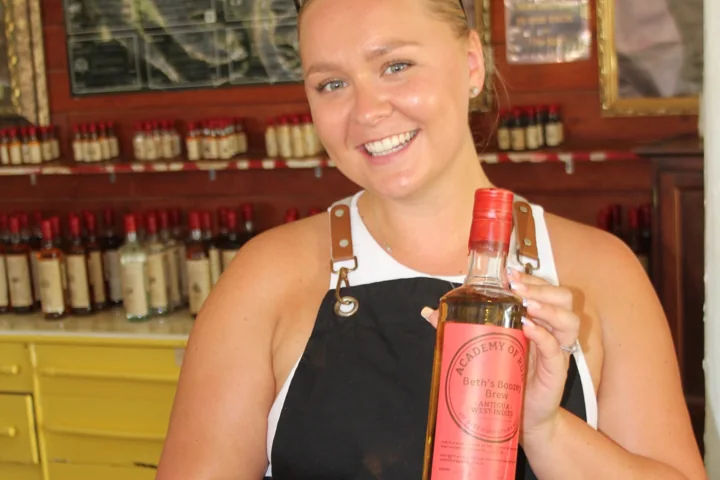
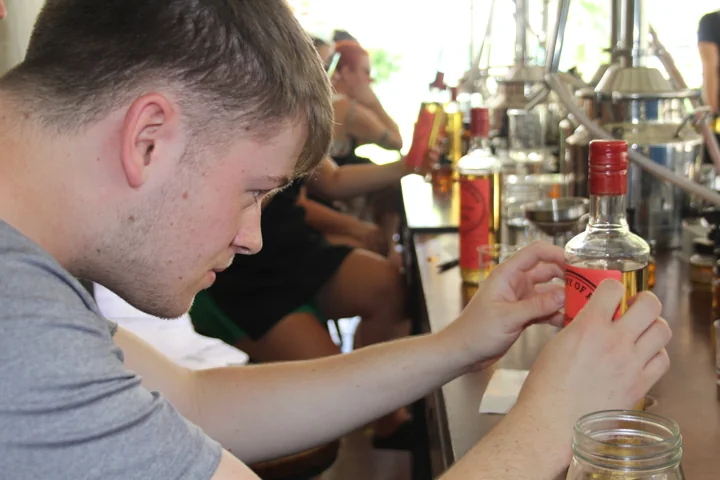
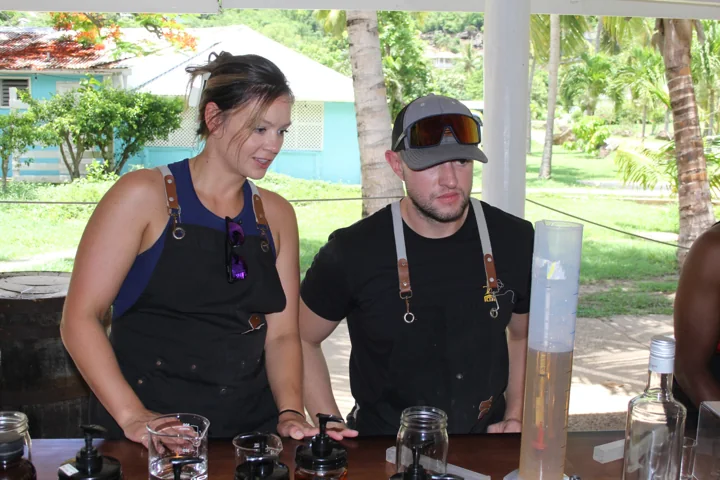
The Academy experience focuses on guided rum education, tasting, flavour selection, blending and finishing a bottle. It does not compress a period of barrel maturation into a short guest session. Understanding aging helps place the class within the wider story of rum without confusing different production stages.
If the creative decisions interest you most, continue with what rum blending means. For the actual guest activity, visit the Antigua experience page, where the sequence and inclusions are set out clearly.
Published by Academy of Rum Antigua, an interactive rum education and blending experience at Galleon Beach. External references are linked beside the information they support. For current bookings and operational details, use the experience, pricing and visit information pages.
Galleon Beach · Antigua
Experience rum differently.
Taste, learn and create your own rum at our Antigua mini distillery, with guidance from your first flavour choice to your finished bottle.
18+ to drink. Please enjoy responsibly.