What is the common starting point?
Sugarcane connects the rum category. Different production traditions use sugarcane-derived materials, including molasses, syrup and fresh juice. These provide the sugars for fermentation before distillation. WIRSPA's definition of rum sets out that shared origin.
A useful way to read a bottle is to separate its raw material from its place of production, still type and maturation. Those details answer different questions. Knowing one does not let you fill in the others automatically.
How do molasses and juice differ?
Molasses remains during the process of producing sugar crystals. Fresh cane juice comes from pressing the plant. Both can form the basis of a spirit, but they enter production in different forms. WIRSPA explains the starting materials.
| Starting material | What it is | What it does not establish |
|---|---|---|
| Molasses | A by-product of sugar production | A fixed level of sweetness, colour or quality in the finished rum |
| Fresh cane juice | Juice pressed from sugarcane | One universal flavour or a particular age |
Think of this as an ingredient comparison, not a ranking. A production choice becomes more meaningful when you connect it to the other information the producer supplies.
Is all sugarcane-juice rum called rhum agricole?
Do not use one familiar regional term as a universal label for every cane-juice spirit. Names and production traditions have their own contexts. WSET describes Martinique's rhum agricole and its cane-juice basis in its overview of rum styles.
For a specific bottle, use the name on its label and the producer's explanation. That approach respects the product's actual identity and avoids assuming that every spirit made from a similar raw material belongs to the same category.
Does a sugar-based ingredient mean the finished rum tastes sweet?
The origin of a fermentable ingredient and your impression of the finished drink are different questions. Fermentation, distillation and later choices sit between the starting material and the glass. Do not use the word “sugarcane” as a substitute for reading the product information or tasting carefully.
When you compare rums, note what is known and what is an impression. “Made from molasses” is a production statement; “reminds me of caramel” is a tasting description. Keeping them separate helps you ask clearer questions during a guided tasting.
How is this useful at Academy of Rum?
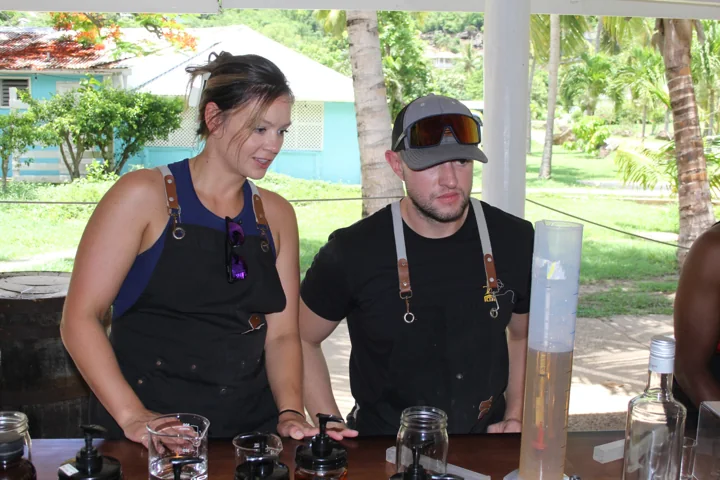
The Academy introduces the wider rum-making story before guests proceed through the creative stages of the experience. Understanding the starting materials helps you distinguish producing spirit from selecting flavours and creating a blend with guidance.
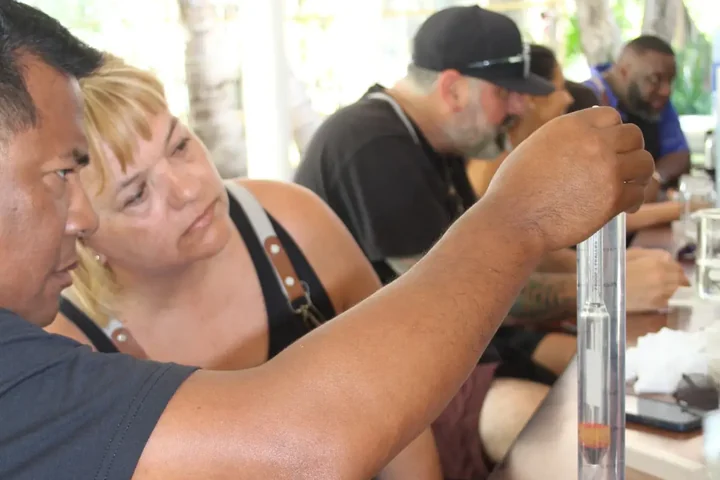
Bring your curiosity to the Antigua class. During the tasting, ask your instructor about the rums being served and how their production influences what you notice. Connecting one detail about a sample with its aroma or taste makes the distinction easier to remember. You then put your own preferences to work as you create and bottle your rum.
Published by Academy of Rum Antigua, an interactive rum education and blending experience at Galleon Beach. External references are linked beside the information they support. For current bookings and operational details, use the experience, pricing and visit information pages.
Galleon Beach · Antigua
Experience rum differently.
Taste, learn and create your own rum at our Antigua mini distillery, with guidance from your first flavour choice to your finished bottle.
18+ to drink. Please enjoy responsibly.